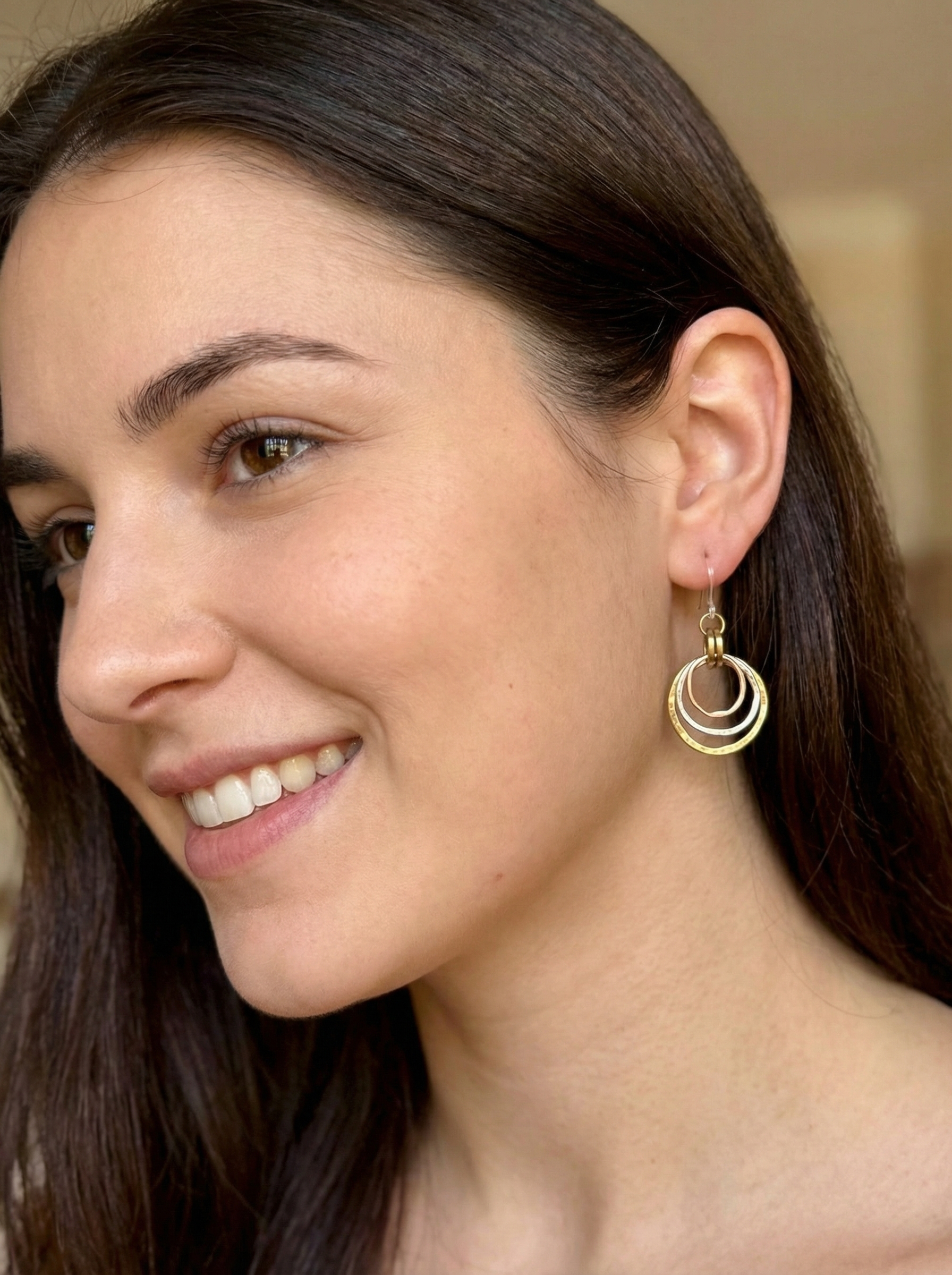
Earring allergies represent a common yet often misunderstood condition that affects millions of people worldwide. Many individuals experience discomfort, irritation, and even infection when wearing earrings, leading them to believe that their earlobes are reacting to the jewelry itself rather than their body's immune response. The most frequent culprit behind these uncomfortable symptoms lies in the materials used for traditional earrings, particularly those containing nickel or other metals that trigger allergic reactions. When someone suffers from itchy ears earrings, they may not immediately recognize that their body is mounting an immune response to the metal components of their jewelry. Swollen earlobes earrings can occur as a direct result of prolonged exposure to allergenic materials, causing redness, itching, and sometimes even the development of small bumps or blisters around the piercing site. Understanding the difference between an earring allergy vs infection is crucial for proper treatment and prevention, as the two conditions require completely different approaches to healing. The best earrings for nickel allergy are those crafted from hypoallergenic materials that eliminate the risk of adverse reactions while still maintaining the glamour and style that earrings provide. For individuals who experience persistent irritation from metal earrings, it becomes essential to identify the root cause of their discomfort and transition to safer alternatives that protect their skin while preserving their fashion choices. When your body reacts to earrings, it's often because the metals used in conventional jewelry contain elements that your immune system perceives as threats, triggering inflammatory responses that manifest as itchy ears earrings or swollen earlobes earrings. The underlying issue is not necessarily the earrings themselves but rather the specific components that make them incompatible with sensitive skin types. People who suffer from earring allergy vs infection confusion often find themselves seeking medical attention without understanding that their symptoms may stem from an allergic reaction rather than bacterial or fungal infection. This misunderstanding can lead to inappropriate treatments that fail to address the actual problem, prolonging discomfort and potentially worsening the condition. The importance of choosing hypoallergenic earring materials becomes clear when considering how many people experience recurring issues with their ear piercings, especially those who have sensitive skin or a known history of metal allergies. For those who have experienced why do my ears get infected from earrings, it's vital to understand that the infection may not be caused by bacteria or improper hygiene, but rather by the body's immune response to the materials in the earrings. The solution lies in switching to high-quality plastic earrings that provide the same visual appeal and comfort without the risk of allergic reactions. These specialized earrings offer a safe alternative for anyone who has struggled with the discomfort of itchy ears earrings or swollen earlobes earrings, allowing them to enjoy their jewelry without fear of adverse effects.
The shift toward plastic earrings represents a significant advancement in the world of body jewelry, particularly for those who have experienced the frustration of dealing with earring allergies. When individuals realize that their persistent ear discomfort stems from the materials in their earrings, they often feel overwhelmed by the numerous options available in the market. However, the key to finding relief lies in understanding the importance of hypoallergenic earring materials that are specifically designed to minimize the risk of allergic reactions. Plastic earrings provide an excellent solution for people who have experienced why do my ears get infected from earrings, as they eliminate the presence of nickel and other metals that commonly trigger immune responses. The best earrings for nickel allergy are those made from medical-grade plastics that have been tested and proven safe for sensitive skin, offering the assurance that wearers can enjoy their jewelry without worry. These hypoallergenic alternatives allow individuals to maintain their fashion sense while protecting their skin from the harmful effects of metal exposure. For those who have suffered from itchy ears earrings or swollen earlobes earrings, plastic earrings offer a comfortable and stylish solution that addresses the root cause of their discomfort. The transition to plastic earrings doesn't mean sacrificing elegance or glamour, as modern designs have evolved to provide the same visual appeal and sophistication as traditional metal jewelry. When considering the difference between an earring allergy vs infection, it becomes evident that choosing the right materials is the first step toward preventing future problems. The importance of using hypoallergenic earring materials cannot be overstated, especially for those who have experienced repeated irritation or infection from their jewelry choices. Plastic earrings have emerged as the ideal choice for anyone seeking the perfect balance between style and safety, ensuring that their ear piercings remain healthy and comfortable. Whether someone is dealing with a mild sensitivity or a severe allergy, plastic earrings provide a reliable solution that allows them to express themselves through fashion without compromising their health. The confidence that comes with wearing earrings that are specifically designed for sensitive skin makes the investment in quality plastic jewelry worthwhile for anyone who values both their appearance and their well-being. By choosing the right materials and understanding the difference between earring allergy vs infection, individuals can protect their ears while still enjoying the beauty and versatility that earrings offer. The journey from traditional metal earrings to plastic alternatives represents not just a change in material, but a transformation in how people approach personal jewelry and their relationship with their own skin's needs.
Visit our Etsy shop for more hypoallergenic options!